Mangrove Fishing: Casting Tight to Cover Without Losing Fish
Fish mangrove shorelines by targeting shade, roots, tide, current, and precise casting while using tackle strong enough to pull fish from cover.
Mangrove shorelines create some of the most demanding close-range fishing inshore. Roots, overhanging branches, shade, current, and bait combine to hold fish, but the same cover that attracts them can end the fight in seconds.
The Best Cast Is Usually Tight
Predators often hold deep under the overhang or beside submerged roots. A cast that lands several feet away may never enter the strike zone.
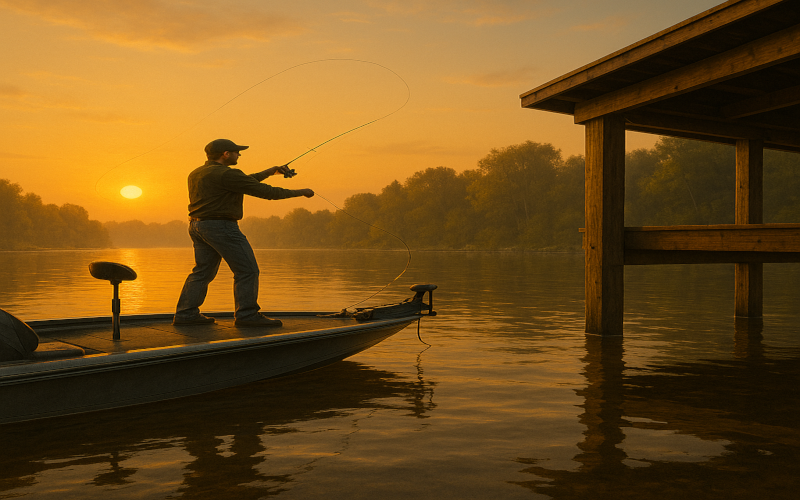
Practice sidearm casts and controlled pitches that keep the lure low. The goal is to place the bait close without slamming it into branches or making unnecessary noise.
Shade Changes Through the Day
As the sun moves, the darkest water shifts. Midday shade can be especially important when shallow water is bright and clear.
Follow the shade line instead of fishing one stretch of shoreline from morning to afternoon. A bank that seemed empty earlier may become productive when the roots are covered in shadow.
Tide Determines How Fish Use the Roots
Rising water lets fish move farther into flooded cover. Falling water pulls bait toward outer edges, drains, and points.
On high water, cast into openings and flooded pockets. On lower water, focus on the outside edge and nearby depth where fish can retreat.
Use Tackle With Enough Control
Mangrove fishing often requires stronger line and a rod with enough power to turn a fish immediately. That does not mean using oversized tackle for every species. Match equipment to the fish you expect and the density of the cover.
For inshore reels and tackle, Piscifun and KastKing are approved affiliate resources. Check leader frequently because roots and shell can create abrasion.
Boat Position Controls the Fight
A perfect cast is wasted if the boat is drifting into the branches when the fish bites. Set up far enough away to maintain a clean angle and use wind or current to your advantage.
In a kayak, anticipate the direction the fish is likely to run and keep the paddle or pedal system ready. In a boat, avoid using excessive trolling motor noise close to shallow cover.
Keep the Deck Organized
When a fish runs into cover, there is no time to step over loose tackle. Keep the working area clear and have pliers and a net within reach.
FishVault and Sportsman’s Warehouse are approved resources for tackle, storage, and general fishing gear that can help keep a compact inshore setup organized.
Protect the Shoreline
Mangroves are valuable habitat and may be protected by local regulations. Do not cut branches for casting room or damage roots to retrieve tackle. If a lure cannot be recovered without harming the habitat or creating danger, break it off as safely as possible.
Mangrove fishing rewards precision. Tide tells you how deep fish can move, shade tells you where they can hide, and accurate casting puts the lure close enough to matter. The final piece is tackle control, because once a fish bites beside the roots, the fight has already started on its terms.
Related Fishing Guides
Fishing regulations, access rules, seasons, size limits, and safety requirements vary by location. Verify current local rules before fishing.