
Flounder Fishing Tactics: Bottom Structure, Drifts, and Bounces
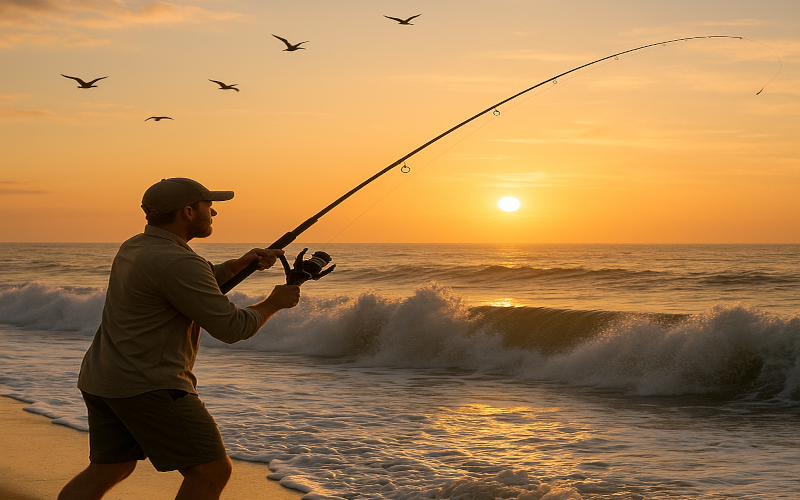
Flounder are unlike any other gamefish you will target. They are flat, they live on the bottom, and they ambush prey by lying motionless until something swims within striking range. This unique biology shapes every aspect of how you fish for them. Your bait must be on or very near the bottom, your presentation must move slowly enough for a flounder to track and attack, and you need to understand what bottom conditions make a flounder feel at home.
How Flounder Feed
Flounder bury themselves in sand or mud with only their eyes exposed, waiting for shrimp, small fish, or crabs to swim overhead. When prey passes within range, the flounder lunges upward and engulfs it. This ambush strategy means flounder do not chase bait the way a redfish or trout does. They commit or they do not. Your job is to put the bait close enough to trigger a commitment.
This feeding style also means flounder bite differently than most fish. The initial take feels like a tap or weight rather than a sharp strike. The fish grabs the bait, holds it for a moment, and then swallows. Setting the hook too early pulls the bait from the flounder's mouth. Wait for the fish to load, feel sustained weight and movement, then set the hook with a firm sweep.
Bottom Structure That Holds Flounder
Not all bottom is equal. Flounder position themselves where current delivers food and where the bottom substrate lets them blend in.
Sand and mud transitions. Where hard sand meets softer mud, a subtle depth change often exists. Flounder lay on the sand side of this transition, facing the current, waiting for prey that gets swept along the edge.
Channel edges. The edges of channels, including the ICW, creek channels, and inlet channels, are prime flounder habitat. Current runs along the edge, bait gets swept by, and the drop-off provides the depth change flounder prefer. Focus on the shallow side of the ledge, where a flounder can lay flat and look down into the deeper water.
Dock pilings and bridge pilings. Any vertical structure that creates a current break concentrates bait and attracts flounder. The flounder positions itself on the down-current side of the piling, waiting for shrimp or baitfish that get swept around the structure.
Inlet mouths and passes. During tidal changes, massive amounts of water, and everything in it, flow through inlets and passes. Flounder stack up along the edges and on the sand bars near these openings, intercepting the bait buffet. This is some of the most productive flounder fishing available, especially during fall migration.
Jetties and rock structure. The base of jetties, where rocks meet sand, creates ideal flounder habitat. The rocks hold crabs and small fish, and the sand gives flounder a place to lay and ambush.
Drift Fishing
Drifting is the most effective way to cover water and find flounder. Rather than anchoring and waiting for fish to come to you, drifting lets you bring your bait to the fish.
Setup. Rig a 1/4- to 3/8-ounce jig head with a soft plastic grub, paddle tail, or Gulp swimming mullet. Cast slightly up-current of your drift direction and let the bait sink to the bottom. As the boat drifts, maintain contact with the bottom by occasionally lifting and dropping the rod tip. You should feel the jig tick along the substrate.
Drift speed. Ideal drift speed is 0.5 to 1.5 mph. Faster than that makes it difficult to maintain bottom contact and gives flounder less time to react. Use a drift sock or trolling motor to control speed on windy days.
Covering water. Drift across flats, along channel edges, and over known structure. When you get a bite or catch a fish, mark the spot. Flounder often concentrate in groups, and where there is one, there are usually more. Circle back and re-drift the productive area.
Bounce Rig
The bounce rig is a simple, highly effective flounder presentation for both boat and bank anglers.
Rig it. Tie a three-way swivel to your main line. From one eye, tie a 12-inch dropper with a bank sinker heavy enough to hold bottom. From the other eye, tie an 18- to 24-inch leader with a wide-gap hook baited with a live minnow, finger mullet, or mud minnow.
Fish it. Cast out, let the sinker hit bottom, and slowly drag or lift-and-drop the rig along the bottom. The sinker bounces along the substrate while the baitfish swims enticingly above it. This rig keeps your bait in the flounder's strike zone while covering ground.
Live Bait vs. Artificials
Live bait advantages. Live finger mullet measuring 3 to 4 inches, mud minnows, and bull minnows are among the most effective flounder baits. The movement and scent of a live baitfish trigger more strikes and often improve hookup ratios because flounder hold live bait longer before swallowing.
Artificial advantages. Soft plastics let you cover more water faster. Gulp and similar scented soft plastics bridge the gap between live bait and artificials by adding scent to the presentation. Paddle tails in white, chartreuse, and natural minnow colors on 1/4-ounce jig heads are the go-to artificial flounder baits coast-wide.
Combination. Tip your jig head with a small strip of fresh-cut bait, such as a thin strip of mullet belly or shrimp, to add scent to your artificial presentation. This hybrid approach combines the water-covering efficiency of jigs with the scent advantage of natural bait.
Seasonal Patterns
Spring and summer. Flounder spread out across inshore flats, channels, and nearshore structure. Fish them in the same areas you target trout and redfish, but keep your bait on the bottom.
Fall. This is the prime season. Flounder migrate from inshore waters through inlets to spawn offshore. They stage at inlet mouths, passes, and nearshore structure in large numbers. The fall run produces the best flounder fishing of the year and the largest fish.
Winter. Most flounder move offshore. Anglers targeting them in winter fish nearshore reefs, wrecks, and deep structure from larger boats.
Hookset Timing
This bears repeating because it is the single most common flounder fishing mistake: do not set the hook immediately. When you feel the initial tap, lower your rod tip slightly to give slack, count to three, and then reel tight. When you feel solid weight, sweep the rod firmly. Patience at the bite turns missed fish into landed fish.
The Three Rules
Flounder fishing rewards a slow, methodical approach. Stay on the bottom, move slowly, and resist the urge to rush the hookset. Do those three things and you will put flounder in the cooler.
Fishing regulations, seasons, size limits, and safety requirements vary by location. Verify current local rules before fishing.