
Dock Fishing Strategy: Shade, Pilings, Wind, and Quiet Presentations
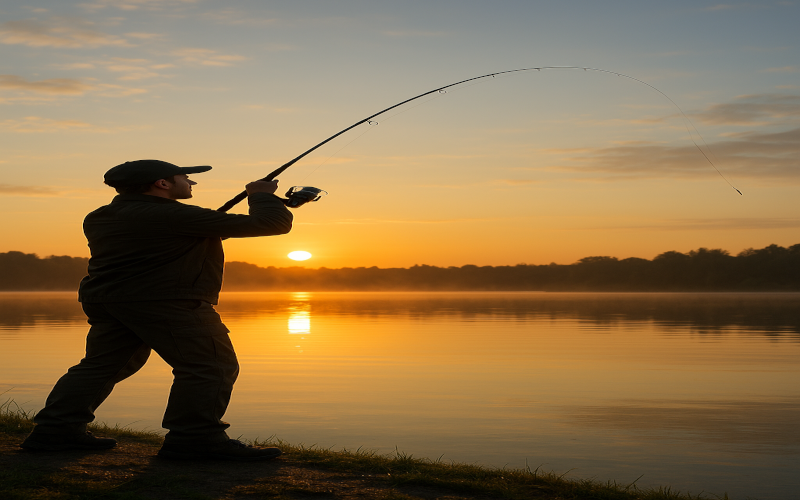
Learn how to fish docks by reading shade, pilings, wind, depth, and boat position while making quiet, accurate presentations for bass, crappie, and panfish.
Docks are not just places to tie a boat. They create shade, vertical cover, ambush points, feeding lanes, and hard edges that can hold fish through much of the year. The best dock anglers do not simply cast at every piece of wood or metal they see. They read the dock as a collection of small targets and adjust based on sun angle, wind, depth, and the type of cover underneath.
Start With the Darkest Shade
On bright days, shade is often the first clue. A dock may look uniform from a distance, but the darkest water under the platform is usually the most comfortable place for light-sensitive fish. The shade line also gives predators a visual edge. A bass or crappie can hold just inside the darkness and watch prey move across the brighter water outside.
Work the outside corners first, then make progressively tighter casts under walkways, between posts, and toward the back of the shade. Early and late in the day the entire dock may be fishable. At midday, the productive zone can shrink to a narrow strip where the darkest shade meets deeper water.
Pilings Create Vertical Cover
Pilings are useful because they give fish something to relate to from top to bottom. A shallow fish may sit near the surface under a crossmember while another holds several feet deeper on the same piling. If the first cast does not produce, change depth before abandoning the target.
A compact jig, small swimbait, soft plastic, or live bait can all work around pilings. The important part is control. Let the lure fall close enough to the cover to stay in the strike zone, but keep enough tension to feel the bite and prevent a hooked fish from wrapping the line. For versatile spinning and baitcasting options, anglers can compare fishing reels and tackle from Piscifun or browse KastKing fishing gear when building a dock-fishing setup.
Wind Can Improve a Dock
Wind pushes plankton, insects, and small baitfish toward one side of a dock. That does not guarantee every fish will be on the windy side, but it gives you a logical starting point. A light chop also reduces visibility, which can make fish less cautious around a boat.
Approach from downwind when possible so the boat naturally drifts toward the target at a controlled pace. Use the trolling motor only enough to maintain angle. Slamming hatches, dropping pliers, or constantly correcting with high thrust can ruin a good dock before the first cast reaches the water.
Make Quiet, Accurate Casts
Dock fishing rewards accuracy more than distance. A lure that lands two feet from the target may never enter the productive zone. Practice low sidearm casts, pitches, and skips so the lure reaches openings under the dock without hitting the structure.
Accuracy also reduces lost tackle. When fishing around cables, ladders, ropes, and boat lifts, identify the cleanest lane before casting. A slightly shorter cast that can be retrieved cleanly is better than a perfect-looking cast that immediately hangs on hardware.
Match the Presentation to the Dock
Shallow docks over grass or mud can be excellent for moving baits. Deeper docks over rock, channel edges, or brush often reward slower presentations that stay close to cover. Floating docks may hold fish differently than fixed docks because they create moving shade without the same vertical structure.
Pay attention to what each successful dock has in common. Depth, nearby vegetation, a creek channel, isolated shade, and current can turn one dock into a repeat producer while ten similar-looking docks remain empty.
Organize for Fast Changes
Dock patterns can shift quickly as the sun moves. Keep a few different presentations ready rather than constantly rebuilding one rod. A small tackle selection in a compact organizer lets you change weight, hook size, jig color, or leader without wasting time. FishVault fishing gear and Sportsman’s Warehouse fishing equipment are useful places to compare storage, terminal tackle, and general fishing supplies.
Leave the Dock Better Than You Found It
Respect private property, keep hooks away from ropes and upholstery, and never step onto a private dock without permission. If you snag a visible line or piece of trash that can be removed safely, take it with you. Good dock fishing depends on access, courtesy, and a reputation for leaving property undamaged.
A productive dock is rarely productive by accident. Shade, depth, cover, wind, and access to feeding water usually combine to create the opportunity. Read those ingredients instead of blindly casting, and dock fishing becomes a repeatable system rather than a guessing game.
Related Fishing Guides
Fishing regulations, access rules, seasons, size limits, and safety requirements vary by location. Verify current local rules before fishing.