
Largemouth Bass Fishing for Beginners: A Simple, No-Stress Guide to Catching More Fish
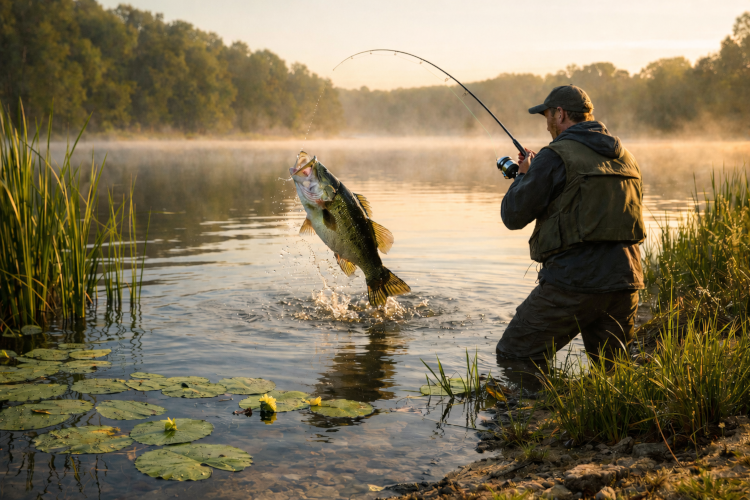
Largemouth bass fishing is one of the most popular and rewarding forms of freshwater angling in North America. Whether you’re casting from the bank of a farm pond, fishing from a kayak, or learning the ropes on a local lake, largemouth bass are aggressive, accessible, and endlessly exciting to catch.
For beginners, however, bass fishing can feel overwhelming. There are countless lures, rods, reels, techniques, and opinions, many of them conflicting. This guide cuts through the noise and gives you a clear, practical foundation so you can start catching bass consistently without frustration.
Understanding the Largemouth Bass
Largemouth bass are warm-water predators found in lakes, ponds, rivers, and reservoirs across most of the United States. They prefer areas that provide cover, food, and ambush opportunities.
Key characteristics of largemouth bass:
-
They are opportunistic feeders
-
They strike aggressively
-
They relate strongly to structure and cover
-
They are most active in warmer water
Bass are not random wanderers. They position themselves deliberately based on water temperature, available cover, and food sources such as baitfish, bluegill, crawfish, and frogs.
Learning where bass live is more important than learning what lure to throw.
Where to Find Largemouth Bass
Bass are almost always near something. Open water rarely holds largemouth unless baitfish are present.
Beginner-friendly bass locations include:
-
Shoreline vegetation (grass, reeds, lily pads)
-
Fallen trees and submerged timber
-
Docks and boat ramps
-
Rocks and riprap
-
Points and shallow flats near deeper water
In ponds and small lakes, bass often cruise the shoreline. In larger lakes, they move seasonally between shallow and deeper areas.
If you’re not getting bites, change location before changing lures.
The Best Time to Fish for Largemouth Bass
Bass can be caught year-round but sometimes are better than others.
Best times of day:
-
Early morning
-
Late afternoon to dusk
-
Overcast days
Best seasons:
-
Spring: Pre-spawn and spawn (excellent for beginners)
-
Summer: Early and late in the day
-
Fall: Feeding heavily before winter
-
Winter: Slower, deeper presentations required
Warm water increases bass metabolism. When water temperatures rise, bass feed more aggressively.
Essential Gear for Beginner Bass Fishing
You do not need expensive equipment to catch bass. Simple, reliable gear works best when starting out.
If you want a one-stop place to browse beginner-friendly rods, reels, lures, and terminal tackle, Sportsman’s Warehouse fishing gear for bass anglers is a solid option with gear at every price point.
Rod and Reel Setup
A medium or medium-heavy spinning rod paired with a 2500–3000 size spinning reel is ideal for beginners.
Recommended specs:
-
Rod length: 6’6” to 7’
-
Action: Fast or moderate-fast
-
Reel: Smooth drag, reliable brand
Spinning gear is easier to learn than baitcasting and handles light lures well.
Budget-friendly brands like KastKing bass fishing rods and reels are popular with beginners because they perform well without the sticker shock.
Fishing Line
Monofilament is the best choice for beginners.
-
8–12 lb test mono is versatile
-
Easy to tie knots
-
Forgiving with snags and mistakes
As skills improve, anglers often transition to braided or fluorocarbon line.
Must-Have Bass Lures for Beginners
You do not need dozens of lures. A small, well-chosen selection will cover most situations.
Soft Plastic Worms
Soft plastics catch bass almost anywhere.
-
Texas-rigged worms are weedless and effective
-
Natural colors work best (green pumpkin, watermelon)
-
Fish them slowly along the bottom
This is one of the most reliable beginner techniques.
Spinnerbaits
Spinnerbaits are excellent search lures.
-
Great for covering water
-
Effective in murky water
-
Easy to retrieve
Cast and retrieve steadily, bumping into cover when possible.
Crankbaits
Crankbaits imitate baitfish and trigger reaction strikes.
-
Shallow-diving crankbaits are easiest for beginners
-
Use around rocks and open water
-
Vary retrieve speed until bass respond
Topwater Lures
Topwater fishing is pure fun.
-
Best early morning or late evening
-
Use poppers or walking baits
-
Be patient, wait before setting the hook
Few experiences match a bass exploding on a topwater lure.
Basic Bass Fishing Techniques
Mastering a few simple techniques will catch more fish than constantly changing lures.
The Cast-and-Retrieve
Perfect for spinnerbaits and crankbaits:
-
Cast past your target
-
Retrieve steadily
-
Vary speed occasionally
Slow Bottom Presentation
Ideal for soft plastics:
-
Cast near cover
-
Let the lure sink
-
Lift the rod tip gently
-
Reel slack and repeat
Bass often bite when the lure pauses.
Fishing Cover Correctly
Bass hide in cover. Your lure needs to get close.
-
Cast tight to structure
-
Expect snags, they’re part of learning
-
Slow down around heavy cover
Good footwear matters when fishing rocky banks or muddy shorelines. Durable options like XtraTuf waterproof fishing boots or Muck Boots for wet conditions can make long days on the water far more comfortable.
Common Beginner Mistakes
Avoiding these mistakes will dramatically improve success.
-
Fishing too fast
-
Changing lures too often
-
Ignoring water temperature
-
Not setting the hook firmly
-
Fishing where bass aren’t present
Bass fishing rewards patience and observation.
Catch and Release Basics
Largemouth bass are a renewable resource when handled properly.
-
Wet your hands before handling fish
-
Support the bass horizontally
-
Avoid squeezing the jaw excessively
-
Release fish gently back into the water
Responsible anglers ensure great fishing for the future.
Keep It Simple and Fish More
Largemouth bass fishing does not require complicated gear or advanced techniques. It requires understanding bass behavior, fishing the right areas, and keeping things simple.
As a beginner, focus on:
-
Learning where bass live
-
Using a small selection of proven lures
-
Slowing down and paying attention
The more time you spend on the water, the more patterns you’ll recognize. Bass fishing is a skill that rewards patience, consistency, and curiosity and it only gets more enjoyable with experience.
If you’re building out your setup over time, brands like Piscifun bass fishing reels and tackle offer solid performance upgrades without jumping into premium prices.
Now grab your rod, head to the water, and let the bass teach you the rest.
Fishing regulations, seasons, size limits, and safety requirements vary by location. Verify current local rules before fishing.