Multi-Species Days: How to Rig for Whatever Bites
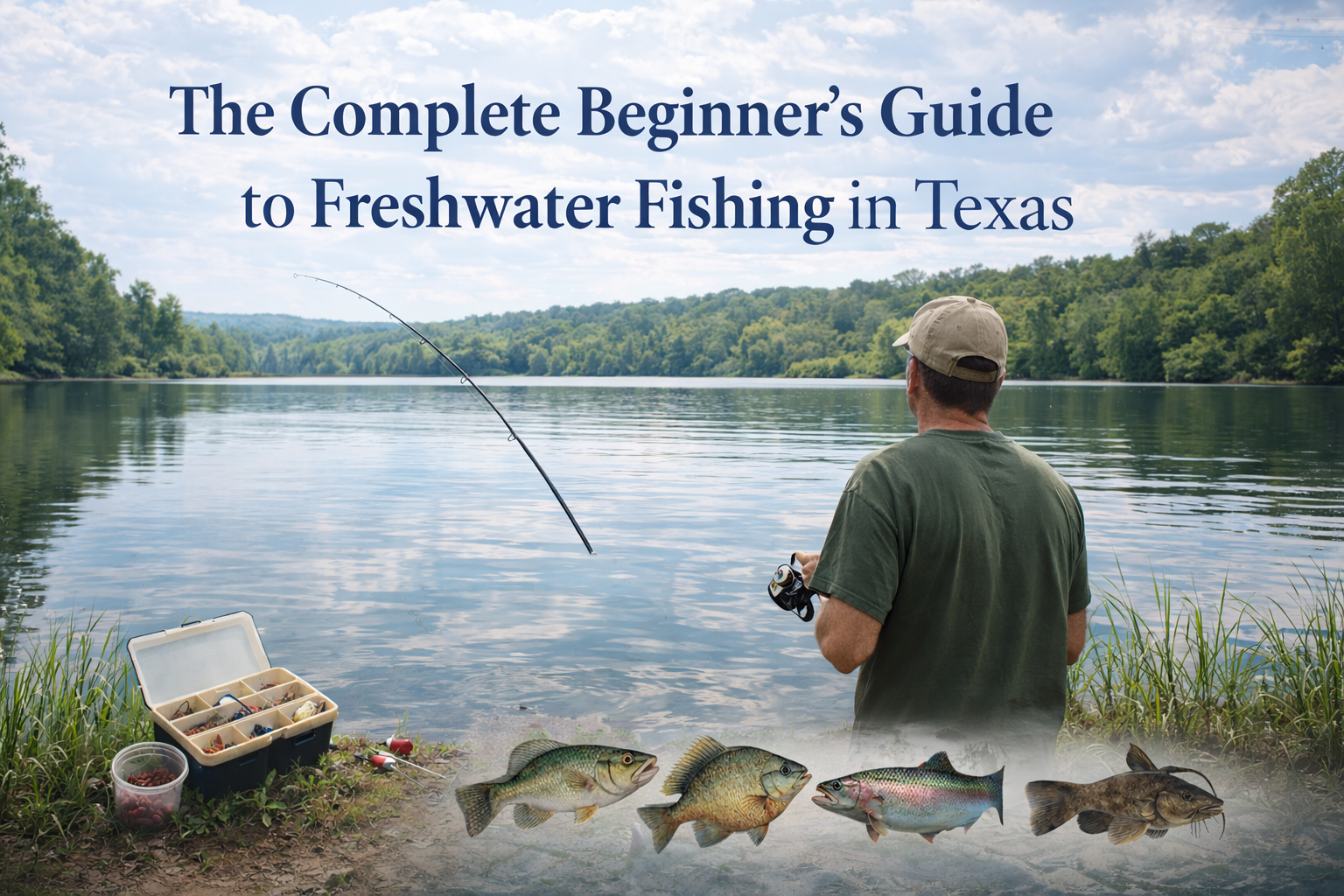
Some of the best days on the water are the ones where you do not target a single species. You rig smart, fish productive water, and catch whatever shows up — bass on one cast, crappie on the next, a catfish as the sun goes down. Multi-species fishing is how most people actually fish, and rigging for versatility rather than specialization puts more fish in the net.
The Multi-Species Setup at a Glance
The Versatile Rod Setup
If you have one rod, make it a medium-power spinning setup in the 6'6" to 7' range with a 2500-size reel spooled with 8 to 10-pound braid and a 6 to 8-pound fluorocarbon leader. This setup handles everything from panfish to respectable bass and catfish. It is light enough to feel a bluegill bite and strong enough to control a five-pound bass in cover.
If you bring two rods, add an ultralight spinning rod (5 to 6 feet, 1000-size reel, 4-pound line) for panfish and trout. Two rods with different power ratings cover 90 percent of freshwater multi-species situations.
If you carry three, add a medium-heavy baitcaster for larger baits — jigs, spinnerbaits, and topwater — aimed at bigger bass, pike, or stripers.
The Five-Bait Box
You do not need a hundred baits for a multi-species day. You need five that cover different water columns and appeal to different fish.
Small inline spinner (1/8 to 1/4-ounce). Rooster Tails, Panther Martins, or Mepps in sizes 1 to 3. These catch trout, bass, panfish, crappie, pike, and even walleye. They are arguably the single most versatile freshwater lure ever made. Cast, reel at a moderate pace, and let the blade do the work.
Ned rig (1/16 to 1/4-ounce mushroom jig with small stick bait). Drags along the bottom and catches bass, smallmouth, walleye, drum, and any other species that feeds near the substrate. Fish it slow — cast, let it sink, drag, pause, repeat.
Small curly-tail grub on a jig head (1/16 to 1/8-ounce). A two-inch grub on a light jig head fished under a bobber or with a slow retrieve catches crappie, bluegill, trout, white bass, and juvenile largemouth. White, chartreuse, and smoke are universal colors.
Lipless crankbait (1/4 to 1/2-ounce). A lipless crankbait like a Rat-L-Trap retrieved through mid-depth water covers ground fast and attracts aggressive feeders — bass, pike, walleye, stripers, and white bass. The tight vibration triggers reaction strikes from fish that are not actively feeding.
Live bait — worms or minnows. Nothing catches more species than live bait. A piece of nightcrawler on a small hook under a bobber catches virtually every freshwater species that swims. Minnows fished the same way add crappie, walleye, and catfish to the mix. If regulations allow live bait, carry some. It is the ultimate multi-species insurance policy.
Rigging for Multiple Depths
Fish do not all live at the same depth. A multi-species approach requires covering the water column from top to bottom.
Surface. A small topwater popper or floating Rapala fished at dawn or dusk attracts bass, pike, and occasionally large bluegill. Work it with short twitches and long pauses.
Mid-depth (3 to 10 feet). The inline spinner, crankbait, and bobber-and-grub setups cover this zone. Adjust your retrieve speed and bobber depth to keep your bait in the productive range.
Bottom. The Ned rig and a simple worm-on-the-bottom setup handle bottom-feeders — catfish, drum, carp, and bottom-hugging bass. Let the bait sit still or drag it slowly. Bottom fishing requires patience but produces some of the biggest fish of a multi-species day.
Where Multi-Species Fishing Works Best
Not every spot on a lake holds multiple species. You want areas where different habitats intersect.
Points with weed edges. A rocky point with weeds on one side and open water on the other holds bass on the rocks, panfish in the weeds, and walleye or crappie along the drop-off. Fish the full structure from shallow to deep and you may catch four species without moving.
Creek mouths. Where a creek enters a lake, current brings food, oxygen, and a mix of species. Bass hold on the outside edges, crappie suspend over the channel, catfish work the bottom, and panfish concentrate near any wood or brush.
Docks with brush. A dock over a brush pile in moderate depth (6 to 12 feet) is a multi-species hotel. Crappie in the brush, bass under the dock shade, bluegill along the dock edges, and catfish on the bottom nearby.
Rip-rap banks. Dam faces and bridge rip-rap hold bass, panfish, catfish, drum, and walleye all at once. Fish from shallow to deep along the rocks and change bait sizes to match what is biting.
Adjusting on the Fly
The key to multi-species success is adapting to what the water tells you rather than stubbornly committing to one target. If you start throwing a spinnerbait for bass and keep catching crappie, do not fight it. Downsize your bait, grab the ultralight, and target the crappie. If bluegill are hitting your worm and a big catfish inhales it instead, rig heavier and fish the bottom.
Multi-species anglers who stay flexible consistently have more productive days than single-species specialists who refuse to adjust. Every fish you catch gives you information about what is active, at what depth, and what they are eating. Use that information.
Fishing regulations, seasons, size limits, and safety requirements vary by location. Verify current local rules before fishing.