
How to Catch More Bluegill, Sunfish, and Panfish for Fast Action
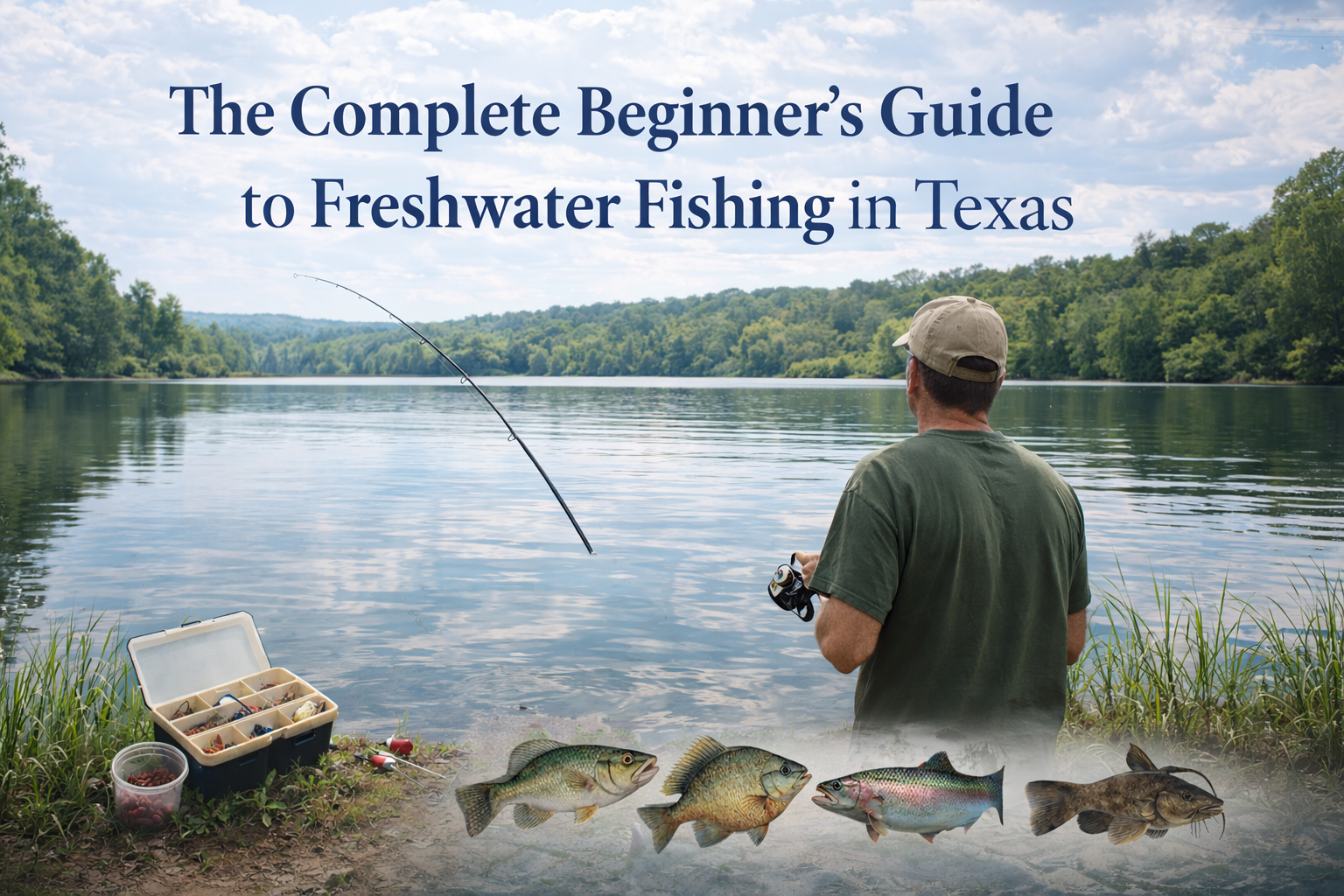
Simple locations, light tackle, and proven presentations for steady action and larger fish.
If you want to catch fish — a lot of fish, right now, today — panfish are the answer. Bluegill, redear sunfish, pumpkinseed, green sunfish, and their many regional cousins are the most abundant gamefish in North American freshwater. They live in almost every pond, lake, creek, and river. They bite aggressively. And they are among the best-tasting freshwater fish you can put in a skillet.
Panfish are also the ideal species for introducing kids, beginners, or anyone who just wants to bend a rod without overthinking it. But do not mistake abundance for simplicity. Targeting larger panfish — the true hand-sized slabs — requires some finesse.
Where Panfish Live
Panfish are structure-oriented, but they use different types of structure than bass or catfish. Think smaller, shallower, and tighter.
Docks. Panfish love docks, especially docks with brush or vegetation underneath. The shade provides cover from predators, and the pilings attract aquatic insects and small invertebrates that panfish feed on. Fish tight to the pilings and under the dock platform itself.
Weed edges. Lily pads, coontail, hydrilla, milfoil — any aquatic vegetation that creates an edge between open water and cover holds panfish. They sit right along the edge, darting into the weeds for safety and back out to feed.
Brush piles. Sunk brush piles are panfish magnets. Many state wildlife agencies and local fishing clubs sink brush piles specifically to create panfish habitat. Check with your state's fisheries department for GPS coordinates of public brush piles — this is free information that puts you right on top of fish.
Shallow flats near deep water. Panfish feed on shallow flats — one to six feet deep — but they need access to deeper water nearby for safety. A flat that gradually drops to ten or fifteen feet within casting distance will hold more fish than an isolated shallow area.
Tackle
Light tackle makes panfish fishing dramatically more fun. A 5 to 6-foot ultralight spinning rod paired with a 1000-size reel spooled with 4-pound monofilament is ideal. This setup lets you feel every bite, and a half-pound bluegill puts a satisfying bend in the rod.
Hooks. Size 6 to 10 Aberdeen hooks — thin-wire, long-shank hooks that are easy to remove from small mouths. Avoid thick, heavy hooks designed for bass or catfish. They are too large for panfish and reduce your hookup rate.
Bobbers. A small slip bobber or clip-on bobber set at the appropriate depth is the most effective panfish presentation. It keeps your bait in the strike zone and provides a clear visual bite indicator.
Bait and Lures
Live bait. Worms — specifically small pieces of worm, not entire nightcrawlers — are the universal panfish bait. Tear a red worm or nightcrawler into half-inch pieces and thread one onto a small hook. Crickets are exceptional bluegill bait, especially in summer. Wax worms and meal worms work well in colder water.
Small jigs. A 1/64 to 1/32-ounce jig head with a tiny soft plastic grub, tube, or marabou feather is deadly. Slowly retrieve it beneath a bobber or cast it and count it down to the target depth before beginning a slow, twitching retrieve.
Flies under a bobber. Even without a fly rod, you can fish small wet flies and nymphs under a bobber with a spinning rod. A size 10 or 12 bead-head nymph suspended 18 inches below a small bobber catches big bluegill consistently, especially in clear water where they are wary of larger presentations.
Seasonal Timing
Spring spawn. The best time of year. When water temperatures reach the mid-60s to low 70s, male bluegill fan out circular beds on hard bottom in one to four feet of water. You can often see the beds — light-colored circles on the lake bottom. Males guard the beds aggressively and will attack almost anything that enters the nest. Drop a small jig or worm right on the bed for instant action.
Summer. Panfish move to shade, deeper weed edges, and brush piles. Early morning and late evening are the peak feeding times. Midday fishing still produces, but target shaded structure.
Fall. Panfish school up and move to deeper cover as water cools. Look for them in 8 to 15 feet of water near brush piles and deep weed edges. Small jigs vertically fished work best.
Winter. Panfish remain active in winter and are a primary target for ice anglers in northern states. They hold near deep brush and drop-offs in 15 to 25 feet of water. Tiny jigs tipped with wax worms fished through the ice produce steady action.
Tips for Bigger Fish
Downsize your bait. Ironically, smaller baits often catch bigger panfish. Large bluegill and redear are more cautious than small ones and prefer a subtle presentation.
Fish deeper. The largest panfish in any body of water often hold slightly deeper than the general population. If you are catching small fish at five feet, try eight to ten feet.
Target redear sunfish. Also called shellcrackers, redear grow significantly larger than bluegill in most waters — two pounds or more. They feed primarily on snails and mollusks near the bottom. A small worm fished on the bottom near mussel beds or sandy flats catches them.
Fishing regulations, seasons, size limits, and safety requirements vary by location. Verify current local rules before fishing.