Sheepshead Tactics: Structure, Fiddler Crabs, and Light Bites
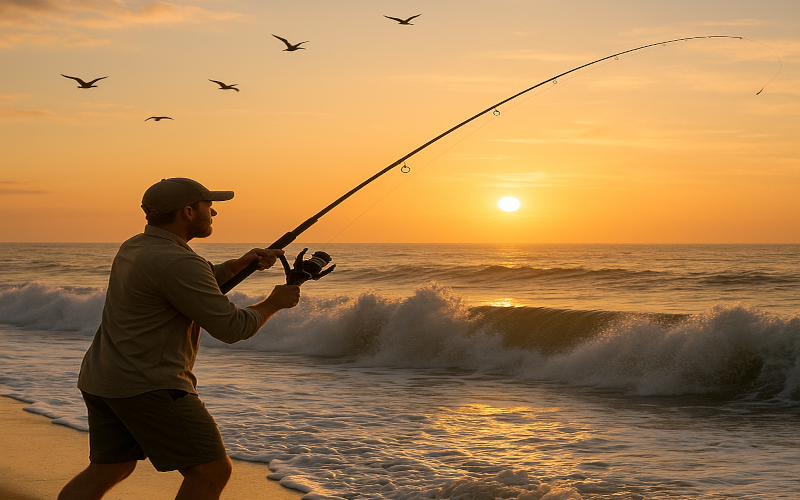
A practical guide to finding structure-oriented fish, presenting natural baits, and detecting one of the lightest bites in saltwater fishing.
Where Sheepshead Live
Sheepshead are structure fish. You will almost never catch one over open sand or in the middle of a featureless flat. They live on, around, and against hard structure where their food grows.
Bridge pilings. The single best sheepshead structure in most coastal areas. Concrete and wooden pilings grow barnacles, which are a primary food source. Fish directly against the piling so the bait bumps the concrete on the way down.
Dock pilings. The same principle applies around docks, often in shallower and more protected water. Private docks, commercial piers, and fishing piers all hold sheepshead, especially older pilings with heavy barnacle growth.
Jetties and rock walls. Crevices between rocks harbor crabs, mussels, and barnacles. Sheepshead patrol jetties methodically, picking food from the rocks. Fish tight to the rock face and lower the bait vertically along the structure.
Oyster bars. Submerged oyster bars are natural feeding stations. The rough shell structure holds the small crustaceans and shellfish sheepshead prefer. Fish the edges and high points, especially during lower tides when fish concentrate around the remaining submerged structure.
Seawalls. Residential and commercial seawalls grow barnacles and attract sheepshead, particularly in winter and early spring when fish move into canals and protected basins.
The Bait: Fiddler Crabs and Beyond
Fiddler crabs. These are the gold standard for sheepshead. Their hard shell, compact size, and natural presence in coastal habitat make them irresistible. Hook a fiddler through the body from the underside, pushing the hook point out through the top of the shell. Use the smallest practical hook, typically a size 1 to 1/0 short-shank J-hook or mosquito-style hook.
Where to find fiddlers. Fiddler crabs live along mud flats and marsh edges, where they create small burrows. Collect them at low tide by approaching slowly and scooping them by hand or with a small net. Keep them in a bucket under a damp cloth. They do not need standing water and can drown if submerged for extended periods.
Alternative baits. Sand fleas, small pieces of fresh peeled shrimp, barnacles scraped from pilings, and small oyster crabs all catch sheepshead. Fresh shrimp is the most practical backup when fiddler crabs are unavailable. Cut it into thumbnail-sized pieces because sheepshead have relatively small mouths.
Detecting the Bite
This is where most anglers fail. Sheepshead do not usually slam a bait and run. They pick it up gently, crush it with their teeth, and either spit the shell or swallow the meat. The bite may feel like a faint tap, a slight tightening of the line, or simply the sensation that the bait suddenly feels lighter or mushy.
Tackle for bite detection. Use the lightest tackle practical. A 7-foot medium-light spinning rod with a sensitive tip, a 2500-size reel, and 10-pound braid joined to a 15-pound fluorocarbon leader provides excellent sensitivity. Braid has almost no stretch, so even slight pressure changes travel directly to your fingertips.
Technique. Hold the rod instead of placing it in a holder. Keep slight tension on the line without pulling the bait away from the structure. Feel for any change in pressure, weight, or vibration. When something changes, set the hook immediately with a short, firm snap. Sheepshead fishing punishes hesitation because the fish can strip the hook in the time it takes to decide whether the bite was real.
The countdown method. Lower the bait to the bottom beside structure and count to thirty. If nothing happens, reel up and inspect the bait. If it is gone or stripped, fish are probably present and you simply missed the bite. Re-bait, drop again, and concentrate on detecting the slightest change.
Rigging
Simple bottom rig. Slide a 1/4- to 1/2-ounce egg sinker onto the main line, add a small barrel swivel, then tie on a 12- to 18-inch fluorocarbon leader and a size 1 to 1/0 short-shank hook. Drop the rig vertically against the structure. This is the most common and dependable sheepshead setup.
Carolina rig. Use the same general configuration with a longer 2- to 3-foot leader when fish are holding slightly off the structure. This is common over oyster bars and shallow rock piles.
No-weight freelining. In calm, shallow water, hook a fiddler crab and lower it beside the piling without added weight. The natural, unencumbered fall can be extremely effective on wary fish.
Quick Rig Reference
Seasonal Timing
Winter and early spring. This is peak sheepshead season across much of the Gulf and Southeast coast. Fish aggregate around structure before spawning, and cooler water makes them more predictable. January through March is prime time in Florida and along much of the Gulf Coast.
Summer. Sheepshead disperse somewhat but remain catchable around bridge pilings, jetties, docks, and nearshore reefs. They often mix with other structure-oriented species such as black drum and mangrove snapper.
Fall. As water temperatures decline, sheepshead begin gathering again. Bridges and docks that were inconsistent during summer often improve by late October.
Tips for More Fish
Chum the structure. Crush a handful of barnacles or oysters and drop the pieces beside the piling. The scent and suspended particles can attract fish and concentrate them near your bait.
Fish the shadow. During bright conditions, sheepshead frequently hold on the shaded side of pilings. Note where the shadow falls and present the bait there.
Downsize everything. Smaller hooks, smaller baits, and lighter weights generally produce more bites. If fish are stripping the bait without getting hooked, reduce the size of the entire presentation.
Sheepshead fishing is a finesse game. Accept that you will miss bites, re-bait constantly, and spend more time feeling than watching. When the hook finally connects, the fight is surprisingly strong for a fish that steals bait like a ghost.
Fishing regulations, seasons, size limits, and safety requirements vary by location. Verify current local rules before fishing.