
How to Target Speckled Trout in Varying Conditions
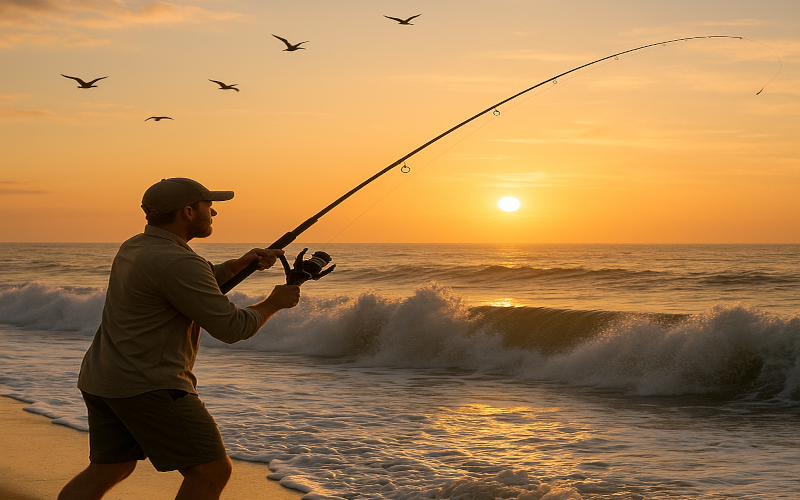
Water temperature, clarity, wind, and structure determine where speckled trout hold and how they feed.
━━━━━━━━━━━━━━━━━━━━━━
Speckled trout, also called spotted seatrout, are one of the most popular inshore gamefish from Texas to the Carolinas. They are willing biters, excellent table fare, and they live in the same shallow coastal waters that are accessible by kayak, wade fishing, or small boat. But speckled trout behavior shifts dramatically with water temperature, clarity, and wind conditions. What worked last week may not work today. The anglers who catch specks consistently are the ones who read the conditions and adjust.
Quick Condition Reference
Water Temperature: The Primary Driver
Speckled trout are cold-blooded, and their activity level correlates directly with water temperature. Understanding this relationship tells you where to fish and how fast to present your bait.
65 to 80°F (Prime Range). This is peak activity. Specks are aggressive, feeding actively on shrimp, mullet, and small baitfish. They spread across flats, patrol shorelines, and chase topwater lures. Fish confidently with moving baits such as paddle-tail plastics, topwater plugs, and suspending twitch baits.
80 to 90°F (Summer Heat). Specks move to areas with better water quality, including deeper channels, areas near passes with tidal exchange, and structure that provides current and cooler water. Dawn and dusk become critical feeding windows. Midday fishing is slow unless you find current or deeper water.
55 to 65°F (Fall and Early Spring). Specks begin to concentrate in deeper holes, channels, and near warm-water discharges from power plants. Slow your presentation significantly. Soft plastics on light jig heads worked with long pauses outperform fast-moving baits.
Below 55°F (Winter). Trout move to the deepest available water and become lethargic. They still eat, but they will not chase. Slow-sinking soft plastics, live shrimp on the bottom, and suspending lures twitched with painfully long pauses are the most reliable cold-water techniques.
Clear Water Tactics
When you can see bottom in three or more feet of water, specks can see you just as well. Clear water demands stealth and natural presentations.
Lighter Leaders. Drop to 15-pound fluorocarbon. In exceptionally clear water, 12-pound is worth the risk. Fluorocarbon’s near-invisibility matters most when fish can scrutinize your offering.
Natural Colors. Shrimp imitators, translucent soft plastics, and silver or white hard baits match the natural forage spectrum. Avoid bold, flashy colors that look out of place in clear conditions.
Longer Casts and Quiet Approaches. Wade fishing excels in clear water because your profile is lower and you eliminate hull slap and engine noise. When fishing from a boat, stay well off the fish and make long casts.
Topwater at Dawn. Clear-water trout crush topwater lures during low-light periods. A walk-the-dog plug or popping cork with a shrimp imitation worked over a grass flat at first light is one of the most exciting ways to catch speckled trout.
Murky Water Tactics
After rain, wind, or strong tidal movement, water clarity drops and the game changes in your favor. Specks in dirty water rely more on lateral-line vibration and less on sight, which means louder, more visible presentations work better.
Bright Colors. Chartreuse, pink, and glow-colored soft plastics stand out in stained water. Chartreuse-and-white jig heads and paddle tails are a murky-water standard across the Gulf Coast.
Rattles and Vibration. Hard baits with internal rattles, MirrOlure-style suspending plugs, and popping corks with beads all create noise that helps trout locate your bait. The popping cork is particularly effective because the loud surface pop mimics feeding activity and draws trout from a wide radius.
Slower Retrieves. Counterintuitively, slow down in murky water even though trout are less likely to scrutinize your bait. Fish need more time to locate and track your presentation through reduced visibility. A soft plastic on a 1/8-ounce jig head falling slowly through the water column gives trout time to find it.
Windy Conditions
Wind creates both opportunities and challenges for speckled trout fishing.
Wind-Blown Shorelines. Wind pushes bait against shorelines, seawalls, and grass lines, and specks follow the bait. On a windy day, fish the shoreline the wind is blowing into rather than the protected lee side.
Drift Fishing. Use the wind to drift across flats, dragging soft plastics along the bottom as you move. This covers enormous amounts of water and puts your bait in front of fish you would never have found by anchoring.
Popping Corks. Wind chop actually helps popping-cork presentations by making the commotion on the surface look more natural. A popping cork with a shrimp or shrimp imitation is one of the most effective all-conditions speck rigs.
Structure and Location
Grass Flats. Specks patrol grass-flat edges much as redfish do, but they tend to hold slightly off the flat in two to four feet of water rather than pushing into the shallowest grass.
Oyster Reefs. Submerged oyster bars are speckled trout magnets. The rough structure holds shrimp and crabs, and the depth change concentrates fish. Cast to the edges of visible oyster bars and work your bait along the perimeter.
Channel Edges and Drop-Offs. Specks stage along channel edges where shallow flats drop into deeper water. These transitions concentrate bait and predators.
Dock Lights at Night. Lighted docks attract baitfish after dark, and speckled trout show up to feed. Casting small soft plastics or live shrimp into the light’s edge, where the light meets dark water, produces consistent nighttime action.
Tackle
Read the water temperature, check the clarity, note the wind direction, and let the conditions tell you how to fish. Speckled trout are cooperative fish when you meet them on their terms.
Fishing regulations, seasons, size limits, and safety requirements vary by location. Verify current local rules before fishing.